

BYD SeaLion 7
Safe Family SUV
Electric SUV for families
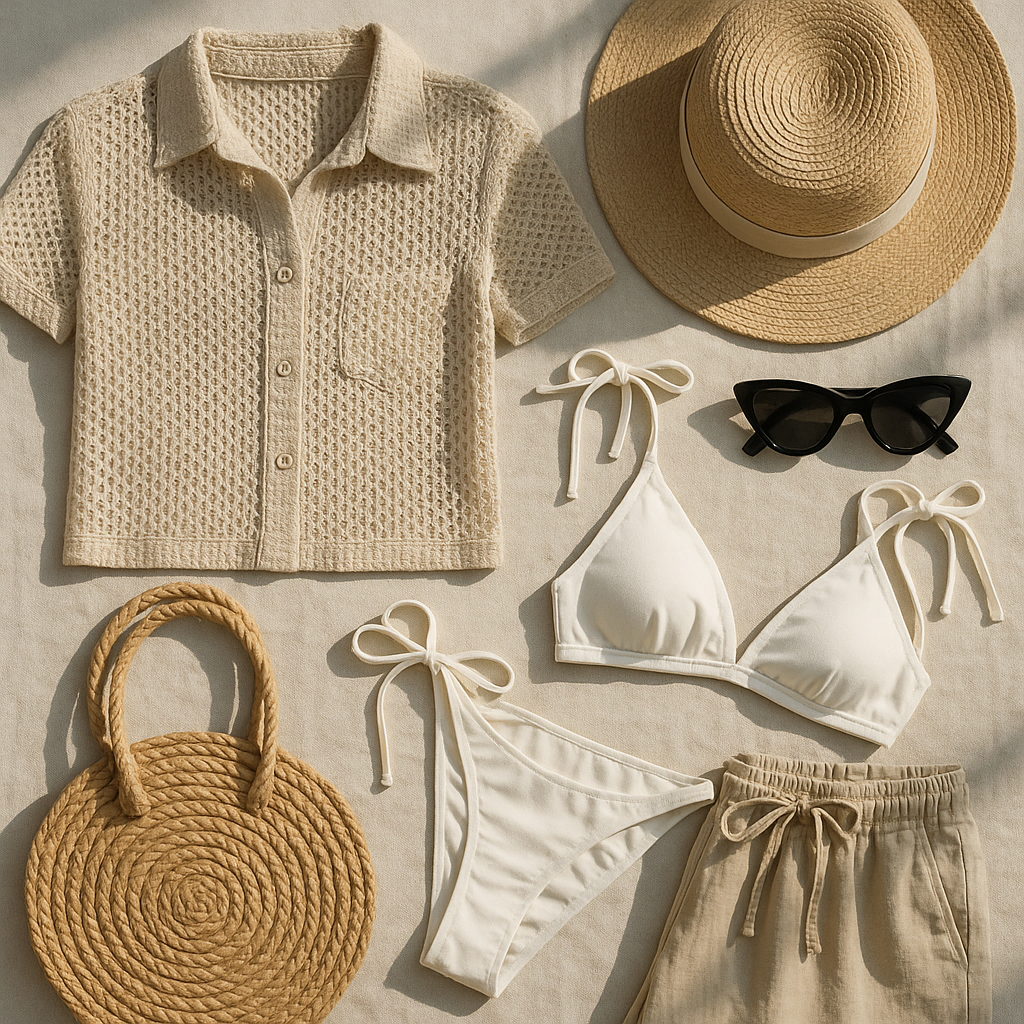

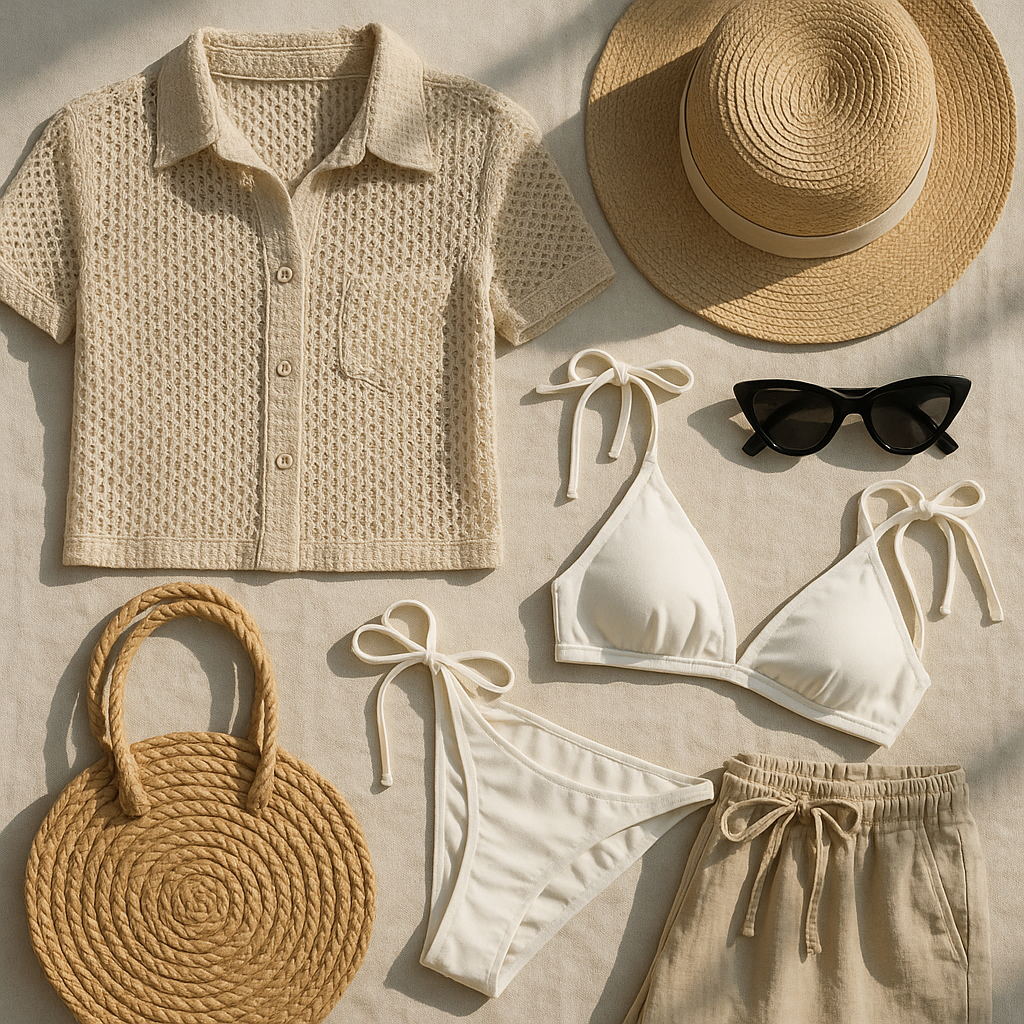
Discover evidence-based strategies for curating a beach wardrobe that balances aesthetic appeal with functional comfort, informed by textile science and contemporary style principles.
Picture Sarah, standing at the water's edge on a warm Saturday morning. The sun climbs higher, the waves beckon, and she's completely at ease—not worrying about her outfit clinging uncomfortably or losing its shape. This is the power of understanding fabric technology in beachwear. The hero of any successful beach outing isn't just the destination or the company; it's the confidence that comes from wearing garments engineered for both comfort and performance.
Modern beachwear fabrics represent a convergence of textile science and practical design philosophy. Performance materials such as moisture-wicking synthetics, quick-dry blends, and four-way stretch fabrics enable freedom of movement while managing perspiration and water exposure effectively. Research in textile engineering demonstrates that fabrics with hydrophobic properties dry up to 70% faster than traditional cotton, reducing discomfort during extended beach activities. For the discerning beachgoer seeking both comfort and value, understanding these fabric foundations transforms purchasing decisions from guesswork into informed choices.
The distinction between standard and performance fabrics lies in their molecular construction. Polyester-spandex blends offer elasticity that accommodates dynamic movement—whether you're playing beach volleyball, building sandcastles with children, or simply stretching out on your towel. Meanwhile, fabrics treated with UV protection provide an additional layer of defense against harmful solar radiation, with UPF ratings offering quantifiable sun safety. When you select beachwear designed with these technologies, you're not merely buying clothing; you're investing in an enhanced beach experience where comfort remains constant from morning to sunset.
Consider Marcus, who once struggled with beach attire that showed every grain of sand or faded after minimal sun exposure. His breakthrough came when he understood how color theory applies specifically to coastal environments. The science of color selection extends beyond aesthetic preference—it encompasses heat absorption, visual psychology, and practical maintenance considerations that directly impact your beach experience.
Light-colored fabrics reflect solar radiation more effectively than dark hues, reducing heat absorption by up to 40% according to thermal studies. This translates to measurably cooler body temperatures during extended sun exposure. Coastal color palettes—soft blues, sandy neutrals, coral tones, and seafoam greens—not only harmonize with natural surroundings but also demonstrate superior practicality. These shades effectively camouflage the inevitable traces of sand and salt water that accompany beach activities, extending the wearable life of each garment between launderings.
Pattern selection serves both aesthetic and functional purposes in beach environments. Geometric prints, tropical florals, and nautical stripes create visual interest while offering practical concealment of minor wear or temporary staining. Research in color psychology indicates that certain patterns—particularly those incorporating blues and greens—elicit feelings of calm and relaxation, enhancing the psychological benefits of coastal recreation. When you choose patterns strategically, you create a wardrobe that works as hard as you play, maintaining its distinguished appearance throughout your beach adventures while expressing your personal style authentically.
Rachel's story exemplifies the transformation that occurs when form meets function. Previously, she avoided beach outings because her clothing options felt restrictive or overly revealing. Everything changed when she discovered silhouettes specifically engineered to balance coverage with airflow—designs that respected her comfort preferences while maximizing breathability in humid coastal conditions.
The science of garment construction reveals that strategic cut and drape significantly impact thermal comfort. Loose-fitting silhouettes with strategically placed ventilation allow air circulation against the skin, facilitating natural evaporative cooling. Research in clothing comfort demonstrates that garments with a 2-4 inch ease allowance reduce skin temperature by an average of 3-5 degrees Fahrenheit compared to form-fitting alternatives. Essential beach silhouettes include relaxed-fit cover-ups, breezy tunics, comfortable board shorts, and flowing beach pants—each designed to provide modest coverage without sacrificing comfort or restricting movement.
Contemporary beachwear design increasingly incorporates athletic-inspired silhouettes that transition seamlessly from water activities to beachside dining. High-neckline swim tops, mid-length swim shorts, and convertible cover-ups offer versatility that honors diverse body types and personal preferences. These silhouettes acknowledge that the modern beachgoer is the hero of their own narrative—someone who demands functionality without compromising style, who values comfort as much as appearance, and who refuses to choose between performance and self-expression. When your beachwear silhouette aligns with your lifestyle needs, every beach outing becomes an opportunity to feel both comfortable and distinguished.
James learned an invaluable lesson during a beach vacation that started with optimism and ended with severe sunburn: accessories are not merely decorative additions but essential protective equipment. His transformation into a prepared beachgoer illustrates how purposeful accessorizing elevates both safety and style, turning potential discomfort into sustained enjoyment.
Evidence-based beach accessorizing begins with sun protection essentials. Wide-brimmed hats provide measurable UV protection for the face, neck, and shoulders—areas particularly vulnerable to sun damage. Studies in dermatological protection demonstrate that hats with 3-inch brims reduce facial UV exposure by up to 70%. Similarly, UV-blocking sunglasses protect delicate eye tissue while reducing glare that causes squinting and premature wrinkles. Lightweight beach bags constructed from quick-dry materials keep essentials organized and protected from sand and moisture, while reef-safe sunscreen completes the protective barrier.
Beyond protection, accessories offer opportunities for personal expression that distinguish your beach presence. Colorful sarongs, patterned bandanas, and stylish water shoes transform functional items into style statements that reflect individual personality. The key lies in selecting accessories that serve dual purposes—a vibrant beach towel that also functions as an impromptu cover-up, or water-resistant pouches that protect electronics while adding visual interest to your ensemble. When accessories combine protection with self-expression, they become integral components of your beach narrative, enabling you to navigate coastal environments with confidence, comfort, and unmistakable style.
Emma's revelation came after years of overpacking for beach trips, bringing numerous items yet always feeling unprepared. She discovered that strategic curation—building a focused beach capsule wardrobe—delivered both variety and value. This approach exemplifies the broader principle that quality and versatility consistently outperform quantity, particularly when selecting beachwear that must perform across diverse coastal scenarios.
A functional beach capsule wardrobe consists of approximately 8-12 carefully selected pieces that coordinate seamlessly, maximizing outfit combinations while minimizing luggage space and investment. The foundation includes two to three swimwear pieces in complementary colors, two versatile cover-ups that transition from beach to casual dining, one pair of quick-dry shorts, comfortable beach pants, and two moisture-wicking tops. This strategic selection enables numerous outfit configurations from a compact collection, addressing the practical reality that beachwear faces rigorous demands—repeated water exposure, sand abrasion, and intense sun exposure—that necessitate durability and easy maintenance.
The capsule approach aligns perfectly with the values of the informed beach enthusiast: someone who prioritizes comfort and style while remaining budget-conscious and environmentally aware. By investing in fewer, higher-quality pieces designed for longevity, you reduce both financial outlay over time and environmental impact through decreased consumption. Each item earns its place through versatility and performance, creating a wardrobe where every piece works harmoniously with others. This methodology transforms you from a passive consumer into an active curator of your beach experience—the hero who makes intentional choices that support both personal comfort and broader values. When you approach beachwear with this informed strategy, every beach outing becomes an expression of thoughtful preparation, where comfort, style, and practicality converge effortlessly beneath the coastal sun.
"This content is part of a student project at UCLA Extension. Any logos used might be slightly changed to indicate that this document is NOT a communication from the company represented by the changed logo. Any statements made in this content are the statements of the UCLA student and not of any company. This statement is made so that any reader will understand this document is part of a UCLA student project and NOT a communication from any existing company."