

Buyer Persona: Lauren (The Conscious Pet-Parent)
Stage in the Buyer’s Journey: Awareness
Keywords: Fresh dog food, Dog nutrition, Kibble vs Fresh
The 7:00 AM Routine: Wellness for Two
If you walked into Laura’s kitchen on a Tuesday morning, you would see a scene of calculated, modern wellness. The espresso machine is hissing, a podcast about mindful productivity is playing softly in the background, and the counter is covered in the remnants of a balanced breakfast: sliced avocado, a dash of red pepper flakes, and a glass of room-temperature lemon water. Laura doesn't just eat; she nourishes. To her, every calorie is a choice, and every ingredient is an investment in her long-term health and energy levels.
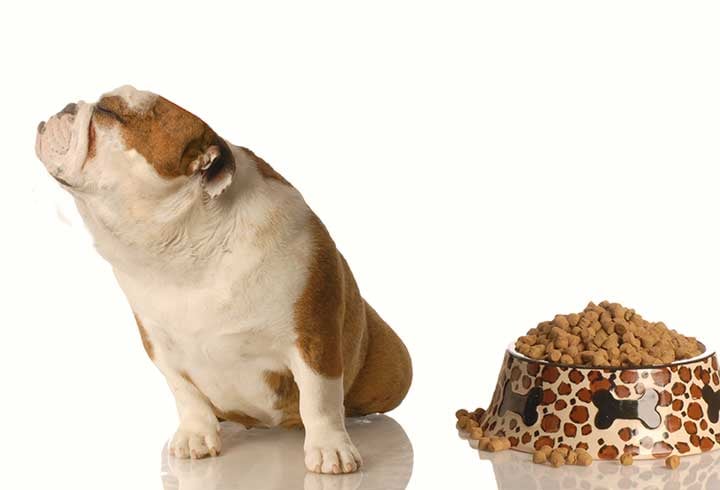
But as she reaches for the heavy, crinkly bag in the pantry to feed her Golden Retriever, Luna, the aesthetic of the morning shifts. The sleek, organic lifestyle hits a wall. She pours a cup of dry, brown, industrial-smelling pellets into a ceramic bowl. In that moment, Laura experiences what thousands of Millennials feel every day: a profound sense of cognitive dissonance. She is a conscious pet-parent who spends her weekends at farmers' markets and her evenings researching clean-label skincare, yet she is feeding her "soulmate in fur" something that looks and smells like cardboard. This is where the journey of modern dog nutrition begins—not with a product, but with a feeling that something isn't right.
The Identity of the “Conscious Pet-Parent”
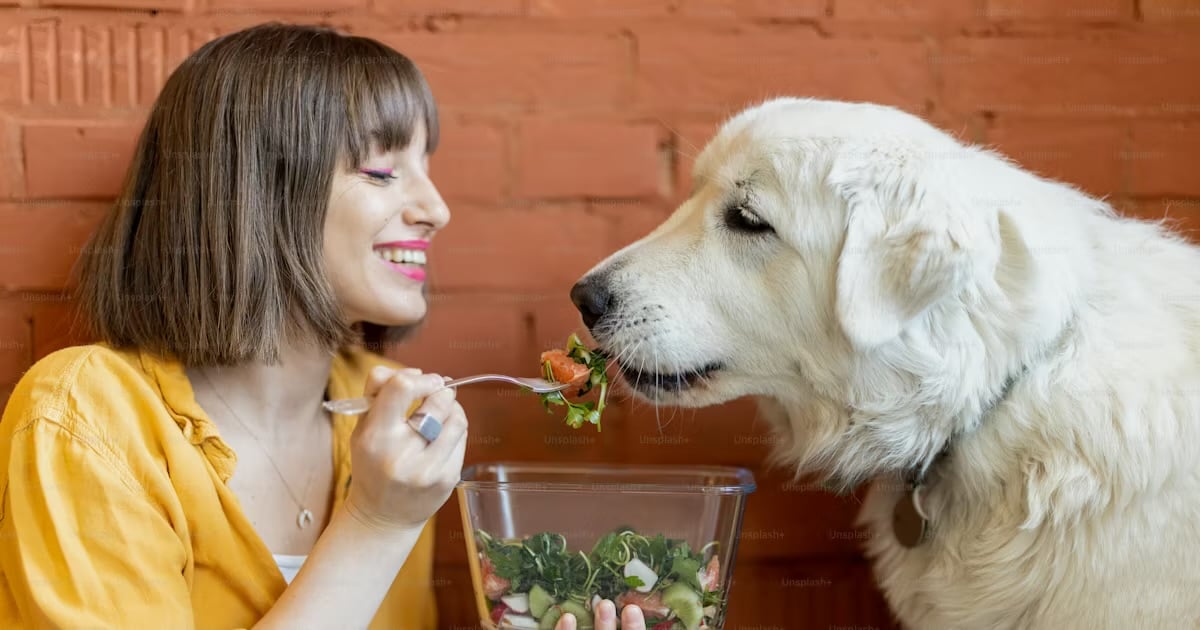
For Laura, a dog isn't "just a pet." The term "owner" feels outdated, almost offensive. She is a pet-parent. Luna is a family member who attended her graduation, moved with her across three different apartments, and provides the emotional grounding she needs after a high-stress day as a Creative Project Manager. Because Luna is an extension of Laura’s own identity, the food Luna eats is a reflection of Laura’s values.
The modern pet-parent is defined by a deep distrust of "Big Industry." Just as Laura moved away from processed snacks and soda years ago, she is now looking at the pet food aisle with the same skepticism. She sees the glossy photos of fresh steak and garden vegetables on the front of the kibble bags, but she is smart enough to turn the bag over and read the fine print. What she finds there (meat by-products, "animal meal," and an endless list of stabilisers) doesn't match the marketing. This search for truth is what drives the debate of kibble vs fresh. It isn't just about protein counts; it’s about the integrity of the source.
The “Kibble Guilt” and the Search for Bioavailability
The more Laura researches, the more she learns about the "Carb Trap." She discovers that most dry dog foods are packed with 30% to 60% carbohydrates, not because dogs need them, but because the machinery that makes kibble requires starch to hold the pellets together. To a woman who tracks her own macros and avoids "empty carbs," this feels like a betrayal of trust.
She begins to realize that her dog’s lethargy in the afternoons might not be "laziness," but a carb crash. The itchy skin and the dull coat she attributed to "seasonal allergies" might actually be systemic inflammation caused by a highly processed, high-glycemic diet. This is the "Awareness" stage of the journey. Laura isn't looking for a brand yet; she is looking for an answer to a single question: Is there a way to feed my dog that aligns with the way I feed myself? She learns that fresh dog food isn't a luxury, it’s a return to biological requirements
Why Convenience is No Longer the Gold Standard
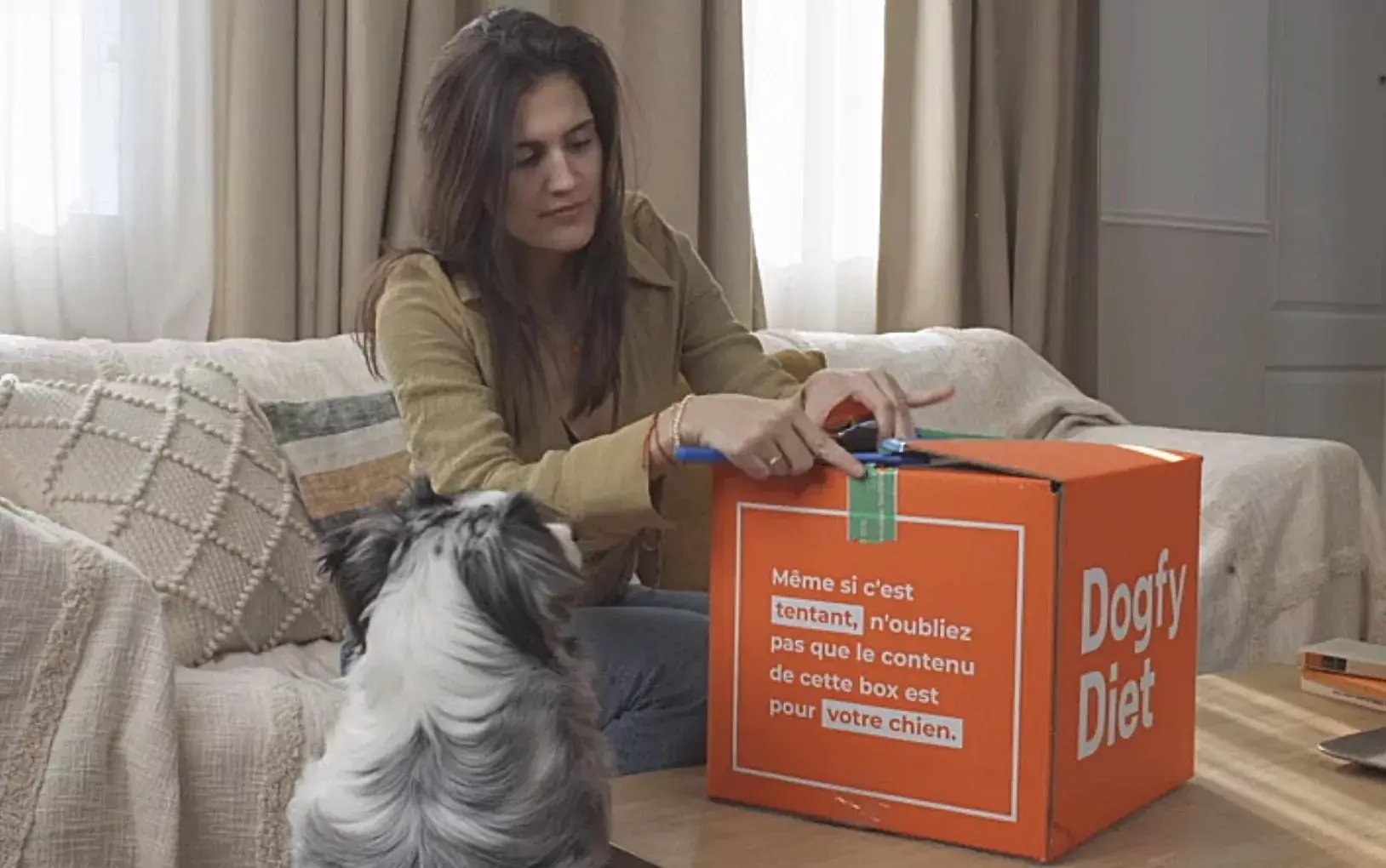
For decades, the pet food industry won because it prioritised the human’s convenience. A bag of kibble can sit in a garage for six months and stay "fresh" because it is essentially a dead product. But Laura’s generation values quality over convenience. She is part of the subscription-box economy; she gets her vitamins, her skincare, and even her groceries delivered to her door. She is willing to trade the "dump-and-pour" ease of a kibble bag for the peace of mind that comes with a refrigerated, human-grade meal.
When we look at dog nutrition, we have to acknowledge that the "shelf-stable" nature of kibble is actually its biggest weakness. Any food that can stay "good" for two years at room temperature has been processed to a point where the natural enzymes and probiotics are non-existent. Laura knows that if she left a piece of chicken on her counter for two days, it would spoil. So, why does she trust meat that has been turned into a brown rock and kept in a bag? The shift to fresh dog food is a shift toward a "living" diet—one that supports the gut microbiome and the immune system.
The Hidden Benefits: What Laura Noticed First
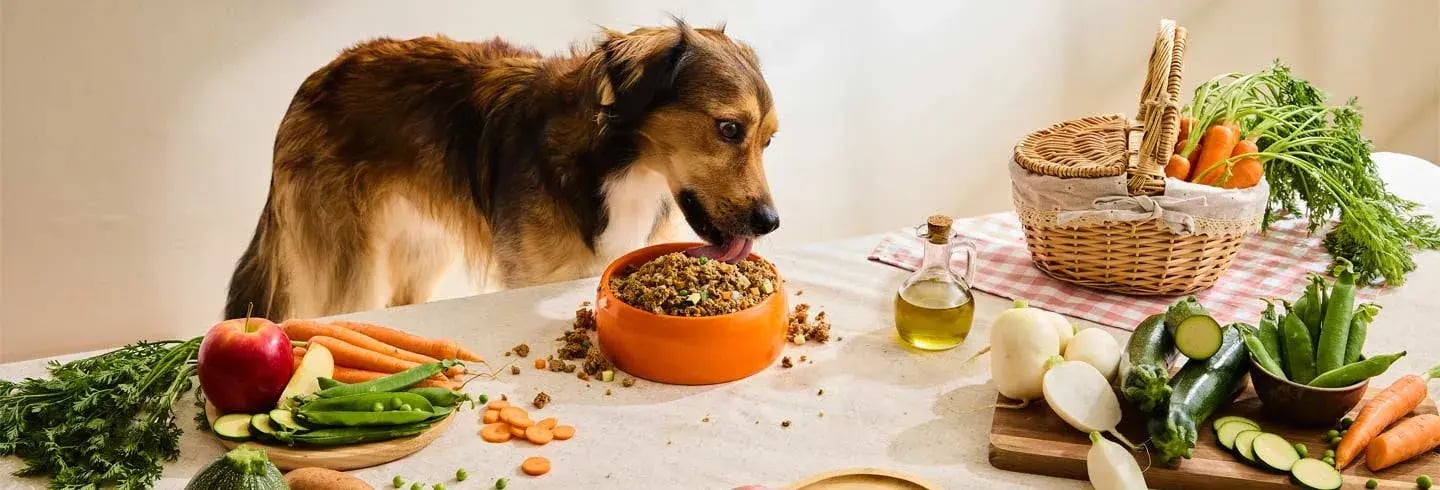
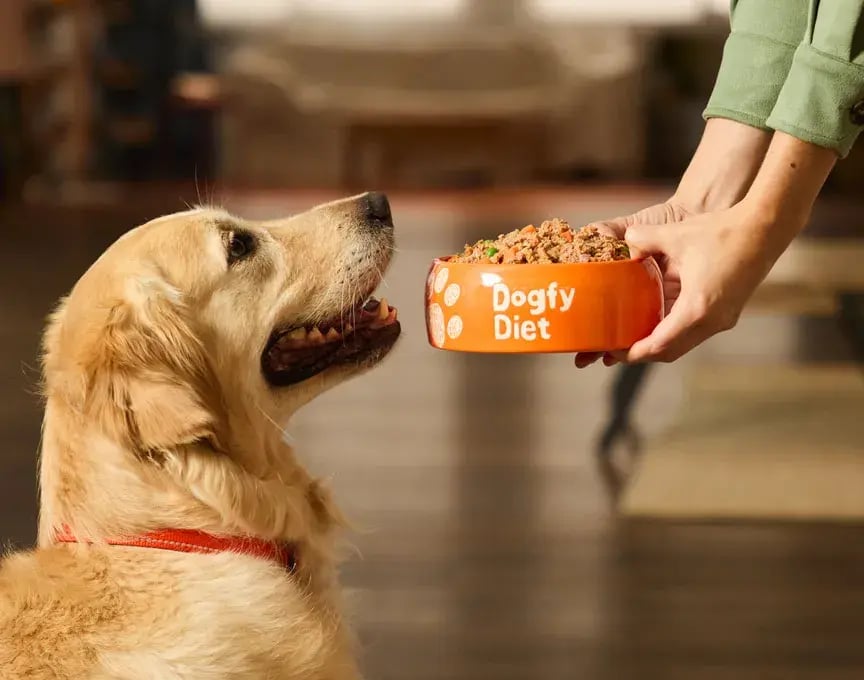
It started with the "enthusiasm for the bowl." Usually, Luna would wander over to her kibble with a sense of obligation. But once the transition to a fresh-cooked diet began, the morning routine changed. Luna began "dancing" in the kitchen, her tail thumping against the cabinets with a level of excitement Laura hadn't seen in years. But the changes weren't just behavioral; they were physiological.
- Digestive Efficiency: Within the first week, the "presents" left in the yard were smaller and firmer. This is the most direct evidence of dog nutrition at work; it means the dog is actually absorbing the food rather than passing fillers.
- The "Fresh Food Glow": Laura noticed Luna’s coat became softer, losing that oily, "doggy" smell that often comes from the rancid fats used to coat dry kibble.
- Weight Management: Luna leaned out. The "pudge" around her ribs—caused by years of hidden sugars in her dry food—dissolved into lean muscle.
- Mental Clarity: Just as humans feel better when they stop eating fast food, Luna seemed more engaged, more alert, and more ready for their weekend hikes.
- Long-Term Savings: Laura realized that while fresh food cost more per week, the reduction in vet visits for skin issues and digestive upsets made the math work in her favor.
- Peace of Mind: The "Kibble Guilt" vanished. Laura finally felt like the "Dog Mom" she aimed to be.
The Biological Truth: Kibble vs Fresh
To truly understand why a conscious pet-parent like Laura makes the switch, we have to look at the biology of the canine. Dogs are "facultative carnivores." While they can survive on carbohydrates, they thrive on animal protein and fat. The high-heat extrusion process used in kibble manufacturing creates something called Advanced Glycation End-products (AGEs). These compounds are linked to aging and chronic disease in both humans and dogs.
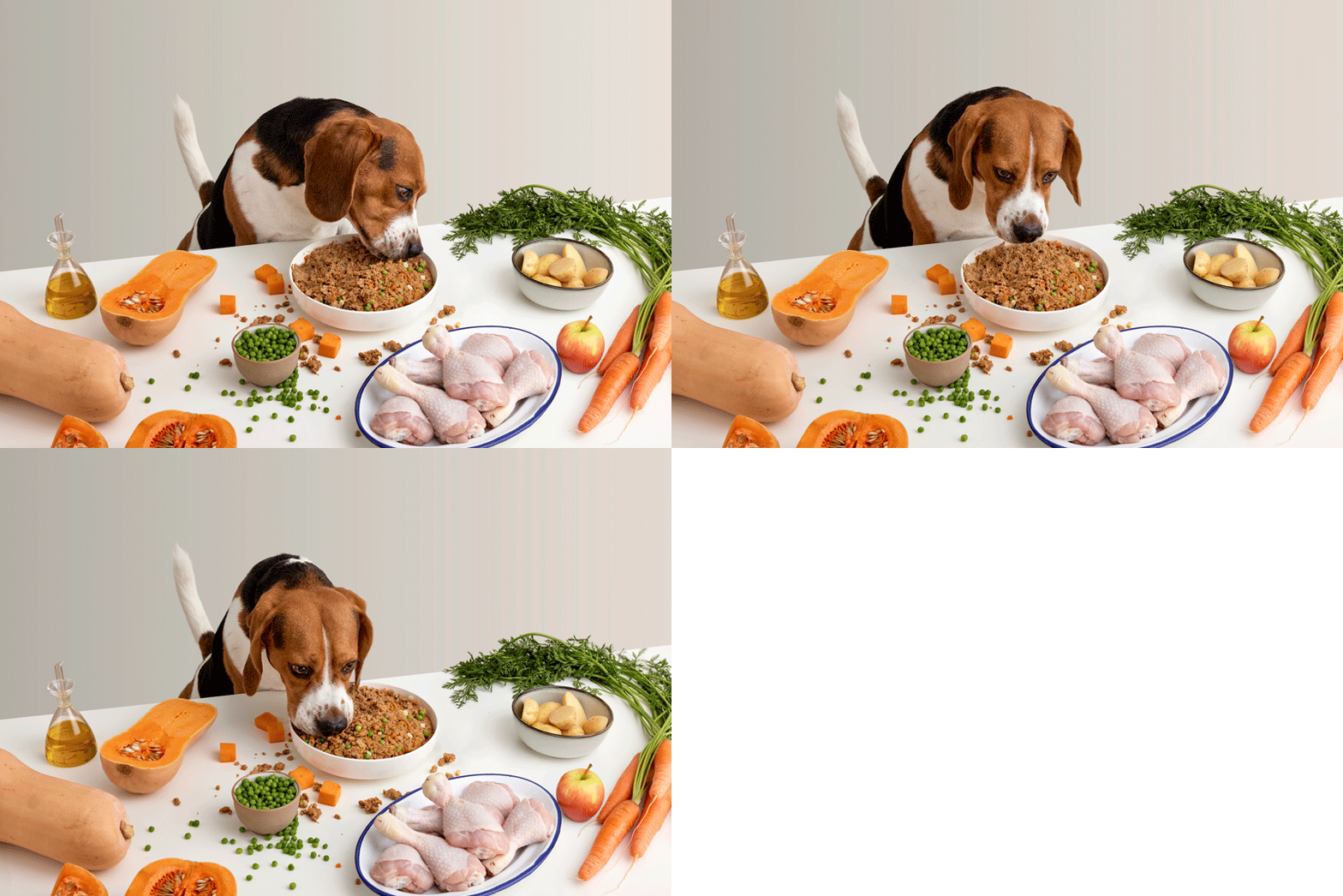
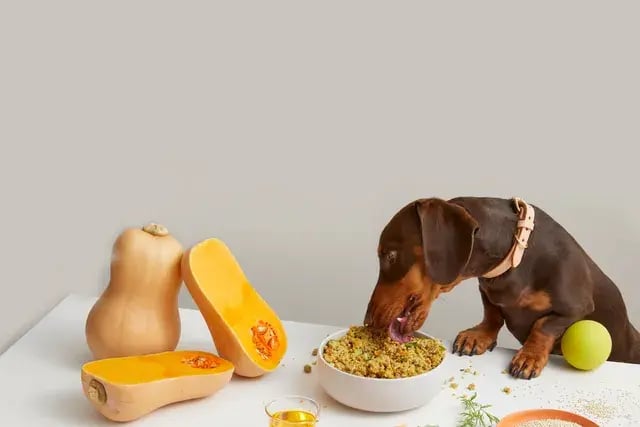
By choosing fresh dog food, Laura is opting out of the AGEs trap. She is choosing ingredients that are lightly steamed to kill bacteria but kept raw enough to maintain their cellular integrity. It is the difference between eating a vitamin-fortified cardboard box and eating a steak. When Laura looks at the vibrant colors of the carrots, spinach, and beef in a fresh bowl, she sees a reflection of her own dinner plate. This visual confirmation is powerful; it bridges the gap between the care she takes for herself and the care she takes for her companion.
Navigating the "Pet-Humanisation" Trend
The marketing world calls this "Pet Humanization," but to Laura, that’s just a fancy term for "treating her dog right." She doesn't see it as a trend; she sees it as a correction. For fifty years, we were told that dogs were different from us—that they didn't need fresh food, variety, or high-quality protein. We were told they were "fine" with the leftovers of the human food chain.
Laura is part of the generation that says "fine" isn't good enough. If there is a way to extend Luna’s life by two, three, or five years through better dog nutrition, Laura will find it. She is an empowered consumer who uses her spending power to demand better standards. She doesn't want "pet grade" meat; she wants "human grade" meat. She doesn't want "artificial flavors"; she wants the flavor of real beef drippings. This isn't about being "extra"—it’s about being an advocate for a creature that can’t read a label for itself.
Why Lauren has Adapted The New Standard of Care
At the end of the day, Laura’s story is the story of the modern pet owner. It is a journey from blind trust in big brands to a personalized, conscious approach to health. The choice of kibble vs fresh is the most significant decision a pet-parent can make. It is a daily vote for either industrial convenience or biological vitality.
If you find yourself standing in your kitchen, looking at your dog and then looking at their bowl, wondering if they deserve better—congratulations. You’ve just entered the awareness stage. You are becoming a conscious pet-parent. You are starting to realize that the secret to a longer, happier life for your dog isn't found in a medicine cabinet or a fancy toy; it’s found in the fridge. It’s found in real, fresh, honest food. Your dog gives you their best every single day; isn't it time you gave them yours?