Skip to content

LH – The 3 Best Resistance Band Exercises You Can Do in 10 Minutes at Home

L Hill
L Hill
LH – The 3 Best Resistance Band Exercises You Can Do in 10 Minutes at Home
0:59

Buyer Persona: Woman aged 60+, focused on healthy aging, mobility, bone health, and independence.
Buyer's Journey Stage: Awareness / Early Consideration
Target Keywords: Resistance band exercises for seniors, strength training at home after 60, safe resistance band workouts.


A Simple Way to Stay Strong at Home

Many women want to stay active as they age, but the idea of complicated gym programs or heavy weights can feel overwhelming.

The good news is that building strength does not need to take a long time or require special equipment. In fact, a few simple movements with resistance bands can support muscle strength, balance, and mobility in just ten minutes at home.

Resistance bands are particularly helpful because they provide gentle, controlled resistance, making them easier on joints while still encouraging muscles and bones to stay strong.

Below are three effective exercises that work major muscle groups and support everyday movement.

Seated+Banded+Row

1. Seated Resistance Band Row

This movement strengthens the upper back, shoulders, and arms, helping support posture and daily activities like lifting, carrying, and reaching.

How to do it

  1. Sit tall in a sturdy chair with your legs extended slightly forward.
  2. Loop the resistance band around the soles of your feet.
  3. Hold the ends of the band with both hands.
  4. Slowly pull the band toward your body, bringing your elbows back.
  5. Squeeze your shoulder blades gently together.
  6. Slowly return to the starting position.

Why it helps

Strong upper back muscles help improve posture and make everyday movements like carrying groceries or standing upright feel easier.

Aim for 10–12 slow repetitions.

sept10-band-squat-TW_0046

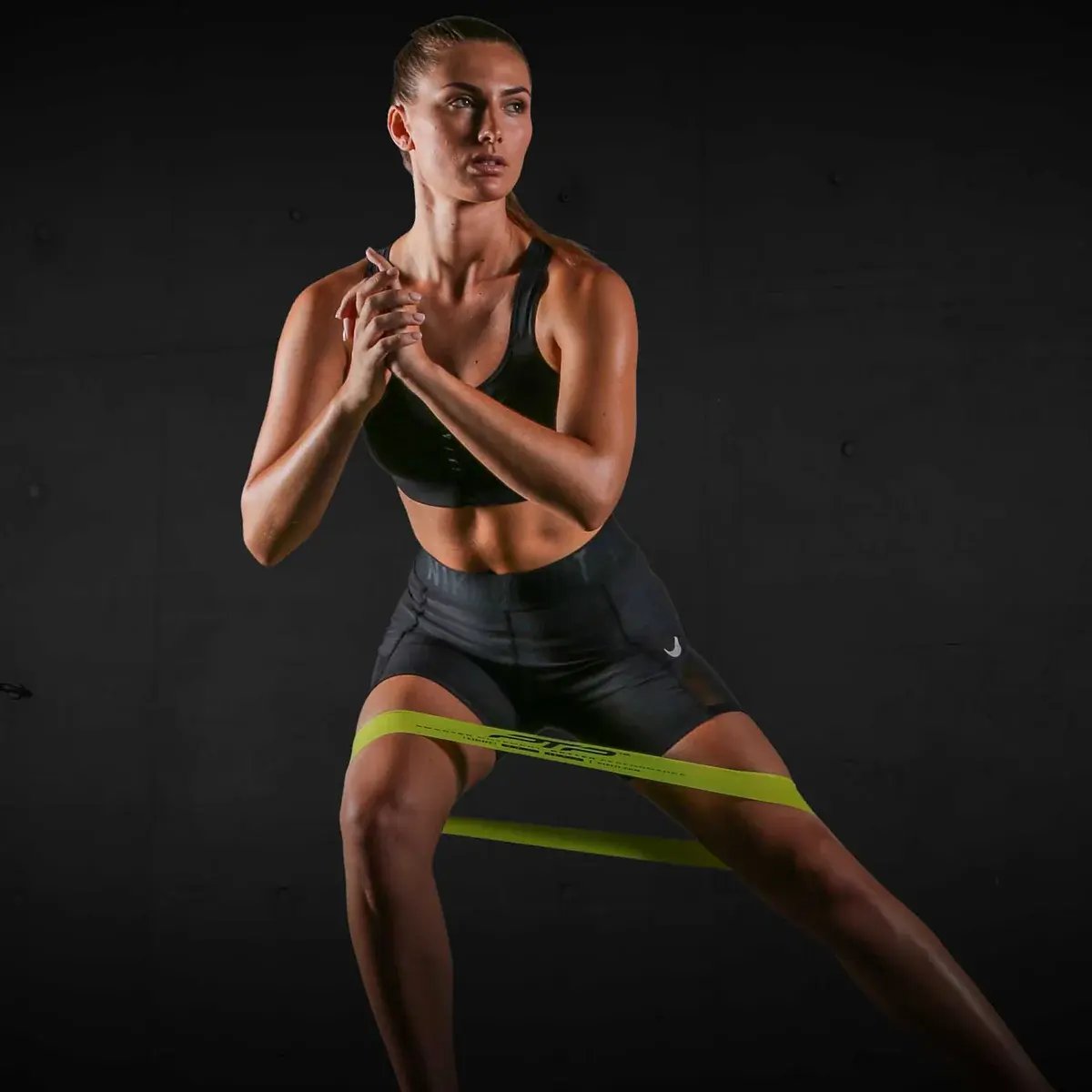
2. Supported Resistance Band Squat

This exercise strengthens the legs, hips, and core, which are essential for balance and independence.

How to do it

  1. Stand on the middle of the resistance band with feet shoulder-width apart.
  2. Hold the ends of the band at shoulder height.
  3. Slowly bend your knees and lower into a gentle squat.
  4. Keep your chest upright and weight through your heels.
  5. Slowly stand back up.

If needed, you can lightly hold onto a chair or bench for support.

Why it helps

Leg strength is crucial for everyday actions such as:

  • Standing up from a chair
  • Climbing stairs
  • Walking confidently

Aim for 8–10 controlled repetitions.

0_960x540

3. Resistance Band Chest Press

The chest press targets the chest, shoulders, and arms, helping maintain upper body pushing strength.

How to do it

  1. Wrap the resistance band around your upper back.
  2. Hold the ends of the band in each hand.
  3. Press your arms forward until they are extended in front of you.
  4. Slowly return to the starting position.

Why it helps

This movement works the muscles used in pushing and pressing motions while also engaging the core for stability.

Aim for 10–12 repetitions


A 10-Minute Routine

If you're short on time, these exercises can easily be done as a quick circuit.

Complete the following:

  • 10–12 Squats
  • 10–12 Rows
  • 10–12 Chest Presses

Repeat the circuit 3 times, resting briefly between rounds. The entire workout takes around ten minutes, making it easy to fit in before work, after work, or even during a break at home.


Consistency Over Complexity

For busy professionals, the biggest challenge is not usually motivation — it's time.

Short, efficient workouts like this make it easier to stay consistent without disrupting your schedule. Even a few minutes of resistance training can help maintain strength, support posture, and improve overall fitness over time.

The key is keeping it simple, accessible, and sustainable, so exercise fits naturally into a busy routine.


Final Thoughts

Staying active does not require complicated programs or long gym sessions. With a resistance band and a small amount of time, it is possible to maintain strength and stay consistent with exercise at home.

Ten minutes may not seem like much, but done regularly, it can make a meaningful difference in supporting long-term fitness and health.


This content is part of a student project at UCLA Extension. Any logos used might be slightly changed to indicate that this document is NOT a communication from the company represented by the changed logo. Any statements made in this content are the statements of the UCLA student and not of any company. This statement is made so that any reader will understand this document is part of a UCLA student project and NOT a communication from any existing company.

 

Share this post