
BYD SeaLion 7
Safe Family SUV
Electric SUV for families

"This content is part of a student project at UCLA Extension. Any logos used might be slightly changed to indicate that this document is NOT a communication from the company represented by the changed logo. Any statements made in this content are the statements of the UCLA student and not of any company. This statement is made so that any reader will understand this document is part of a UCLA student project and NOT a communication from any existing company."
Buyer Persona: Sofia
Stage in Buyer’s Journey: Consideration
Keywords: sustainable fashion, ethical clothing, conscious shopping
“A Shift in Fashion conociousness”
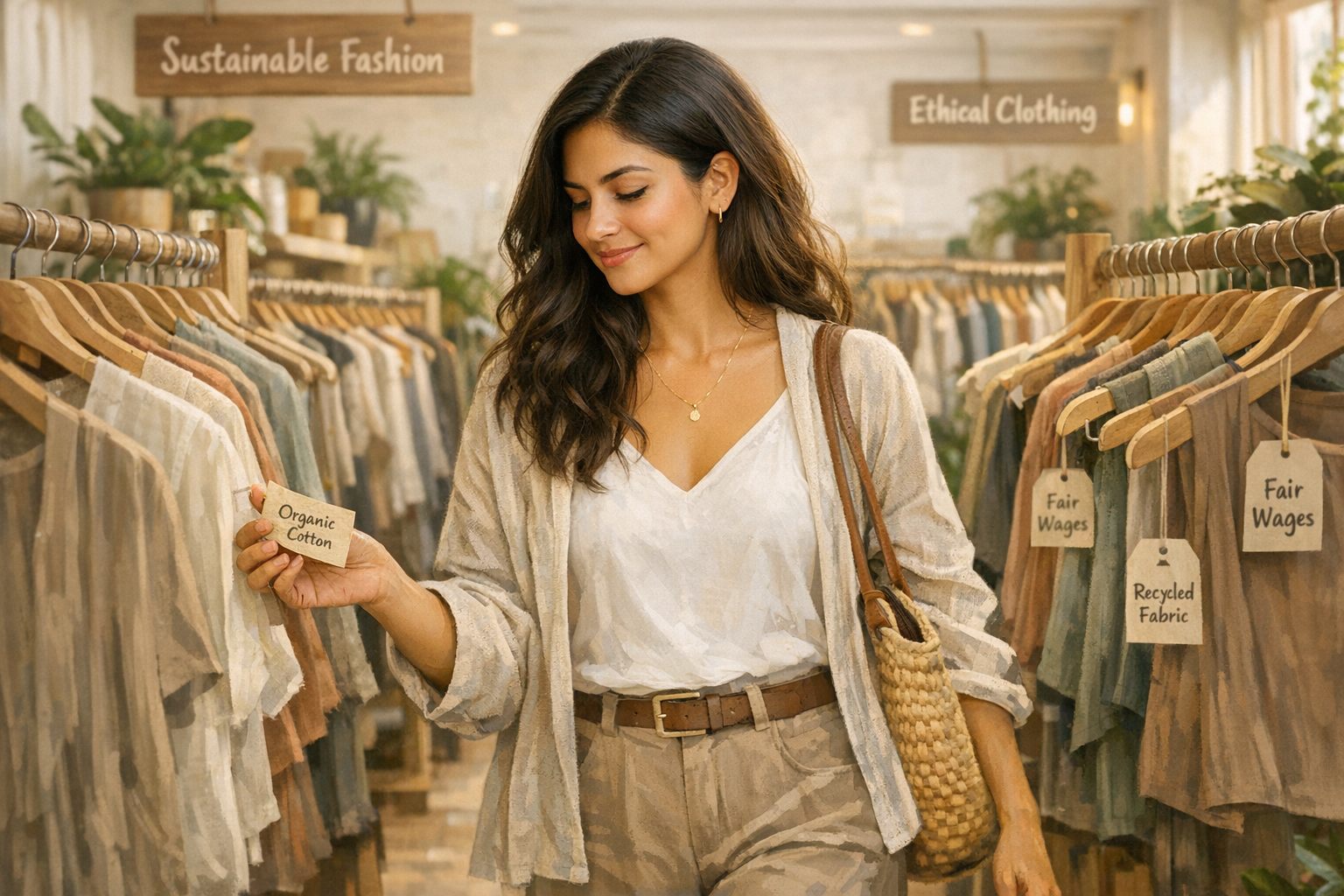
Sofía has always cared about her style, but recently she has started thinking beyond fashion. For her, each garment is not only a reflection of personality but also of values and responsibility. Sustainable fashion has caught her attention, representing a place where style and environmental consciousness intersect.
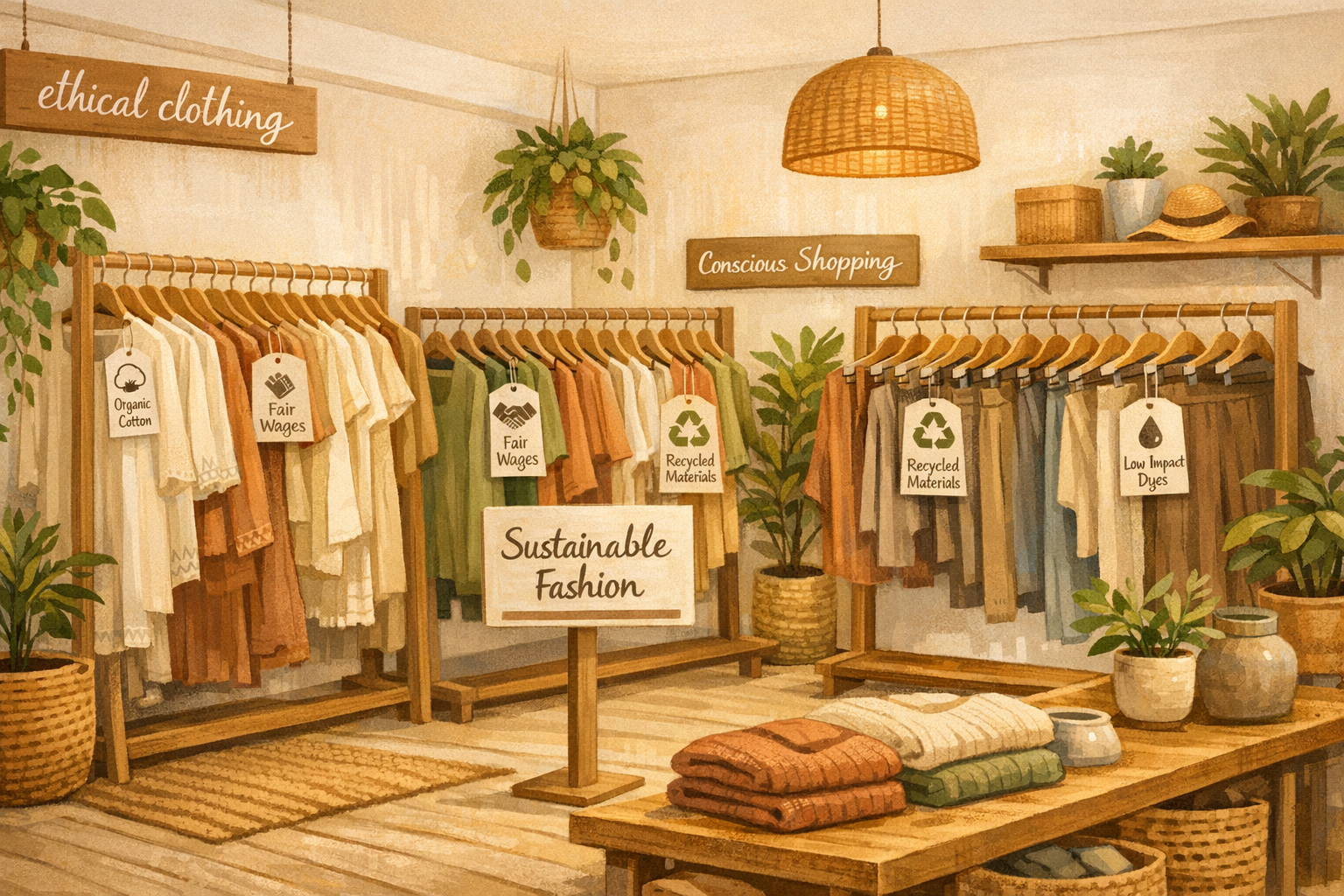
In her daily shopping routines, Sofía often notices details that she previously overlooked: labels indicating organic cotton, fair labor certification, or recycled materials. For her, these small choices are the point where trends meet impact, turning her wardrobe into a reflection of her values.
“Understanding Sustainable Fashion”
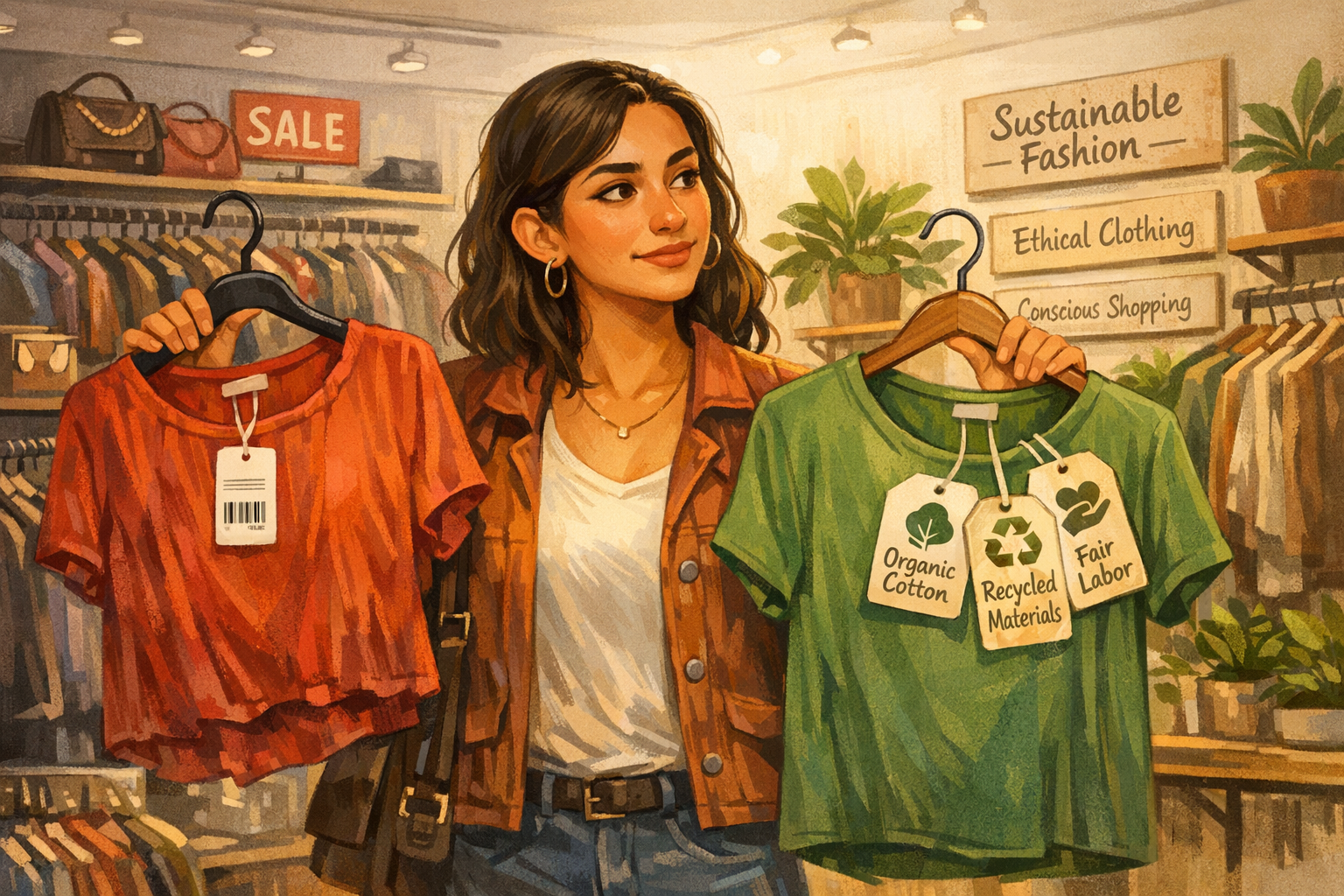
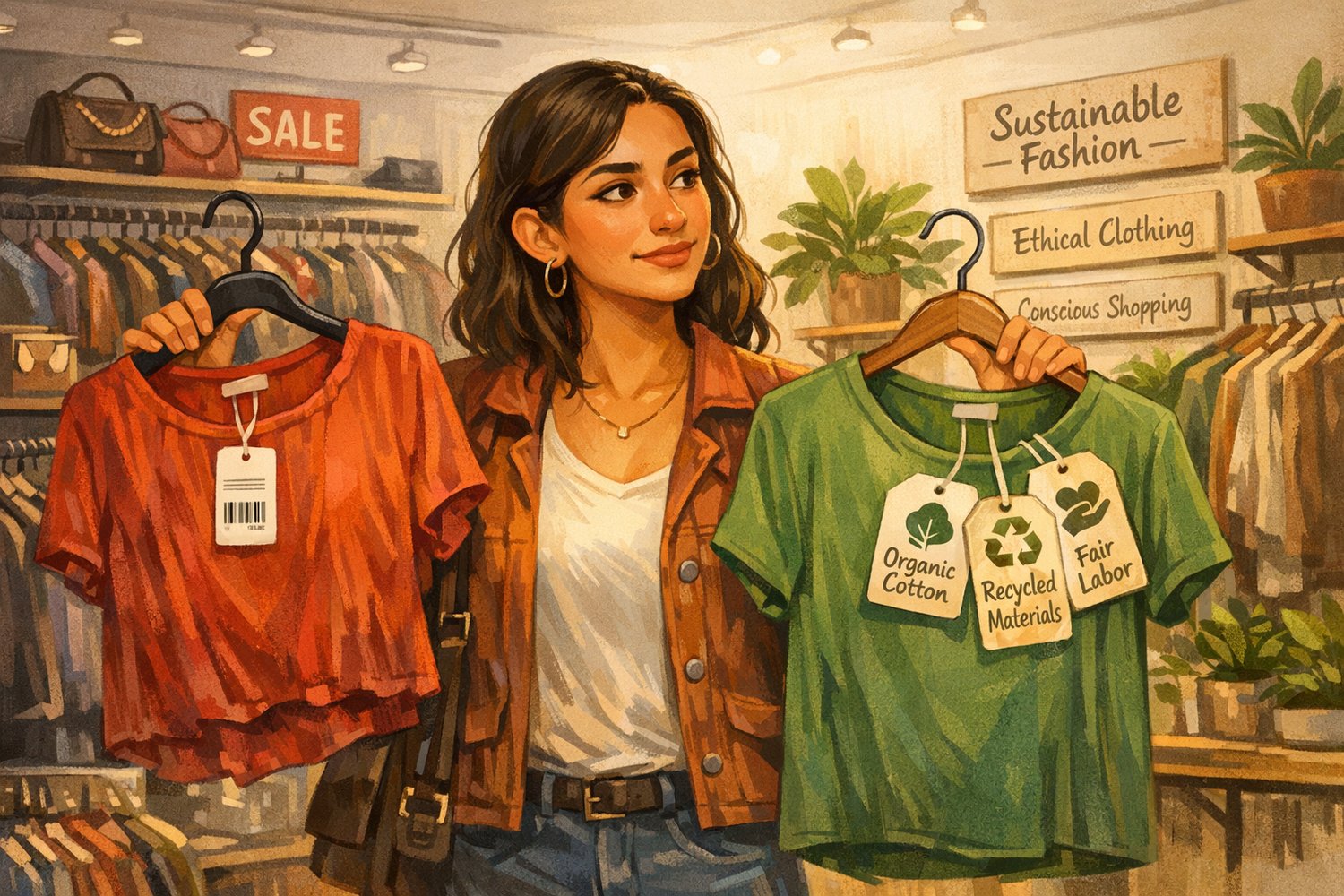
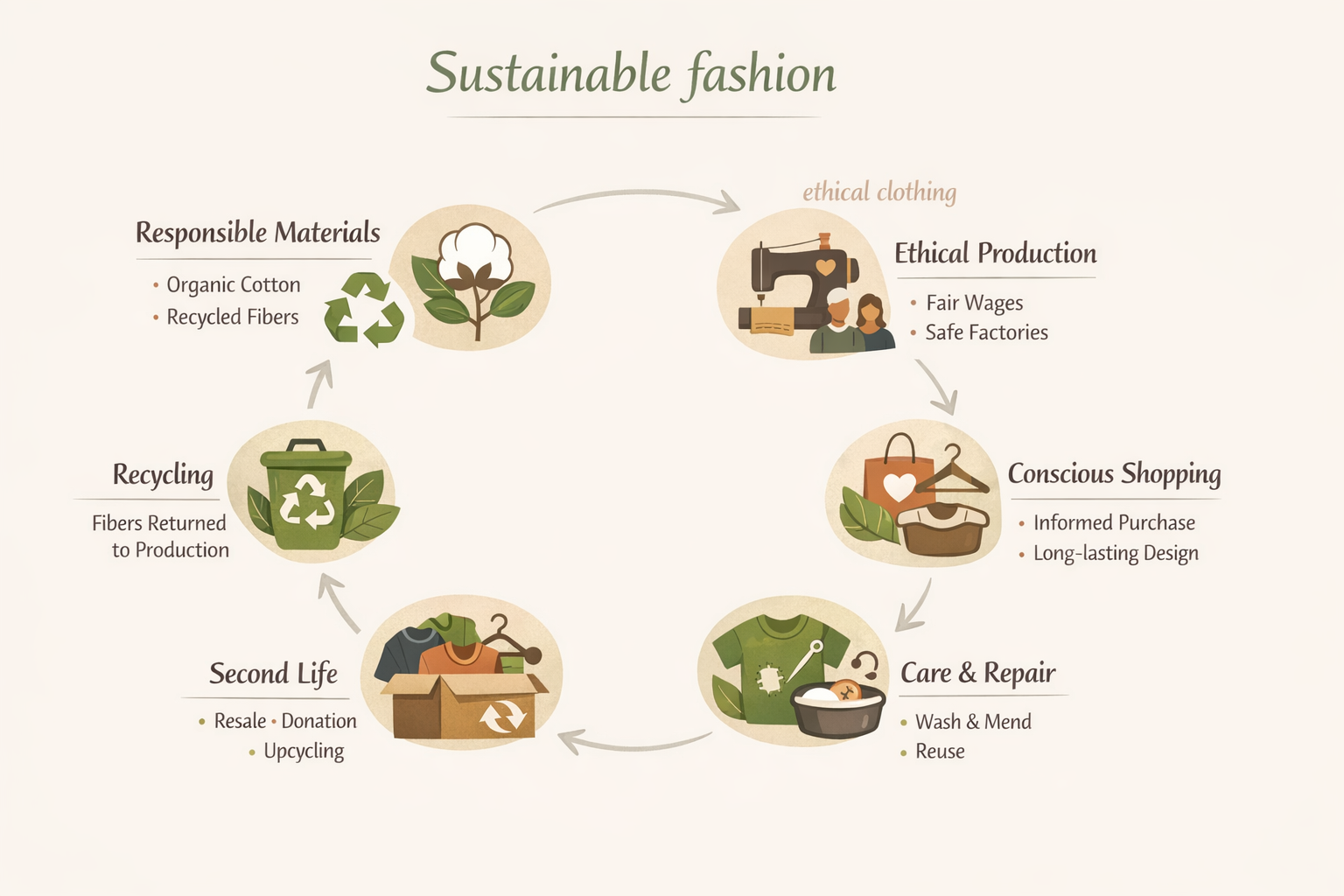
For Sofía, sustainable fashion goes beyond a trend. It involves minimizing environmental impact while ensuring workers are treated fairly. This includes:
Sofía keeps track of brands that practice sustainability, from eco-friendly sneaker lines to boutique collections prioritizing ethical production. Each conscious purchase is a step toward positive impact, benefiting both the planet and the communities producing the clothing.
“Why Ethical Clothing Matters”
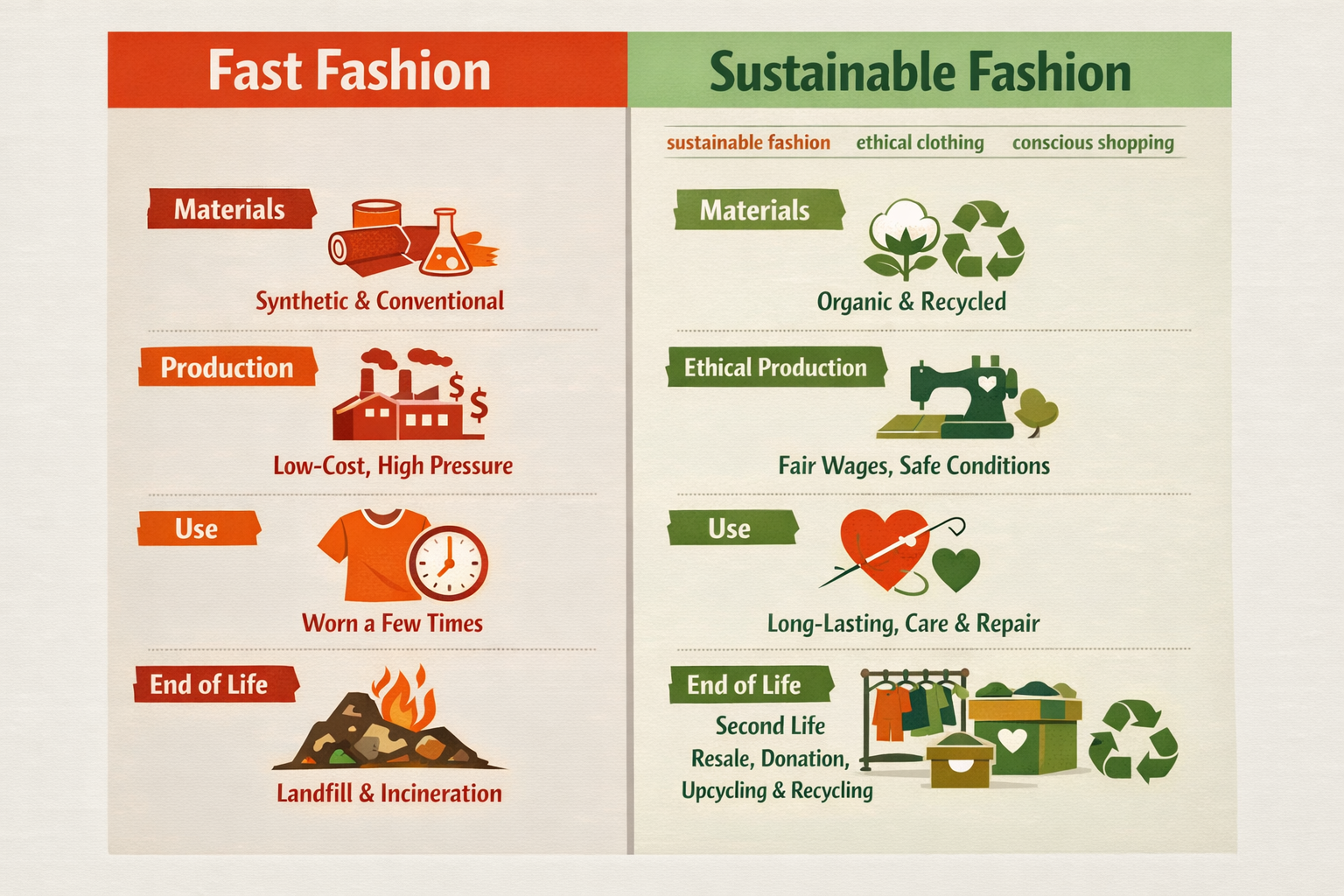
Ethical clothing is more than a buzzword—it’s a tangible commitment to people and the planet. Sofía understands that the fashion industry has major impacts:
By choosing ethical clothing, Sofía helps reduce these effects while signaling that consumers value responsibility over speed and volume.
Benefits of Ethical Clothing
“How Conscious Shopping Changes the Industry”
Every decision Sofía makes matters. By opting for sustainable fashion, she influences brand practices, production cycles, and supply chain transparency. Key industry shifts she notices include:
Sofía’s conscious shopping creates a ripple effect, showing that fashion can evolve into a more responsible and sustainable industry.
“Making Sustainable Fashion Work for Sofía”
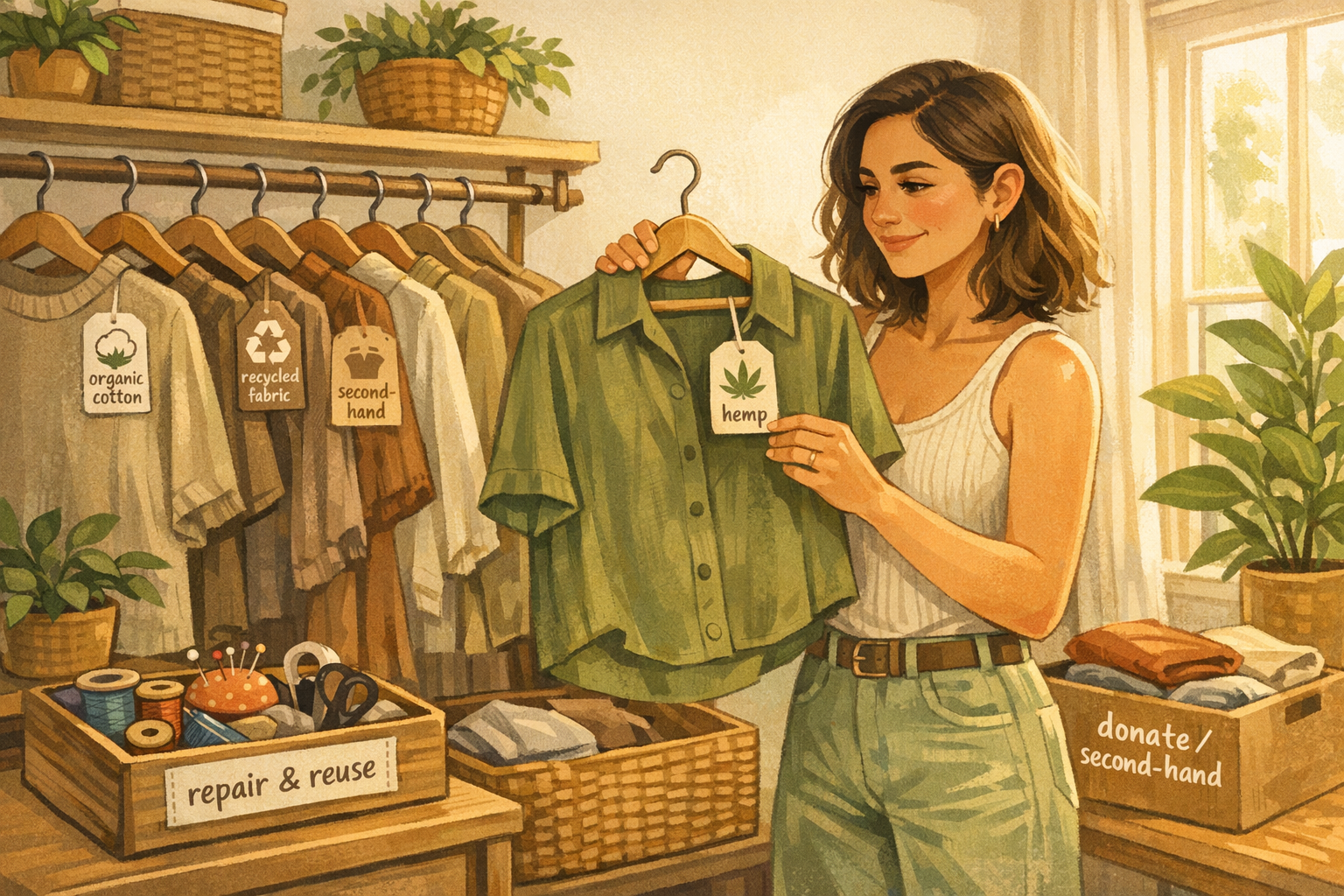
Transitioning to ethical clothing does not need to be intimidating. Sofía follows simple steps:
These habits allow her to integrate sustainability without sacrificing style, proving that fashion and environmental consciousness can coexist.
“Spotlight: Brands Leading the Change”
Sofía follows brands that lead the transformation:
These brands demonstrate that ethical clothing does not compromise style, but rather enhances it. Every purchase Sofía makes is a way to express both values and fashion sense.
“How Trends and Impact Converge”
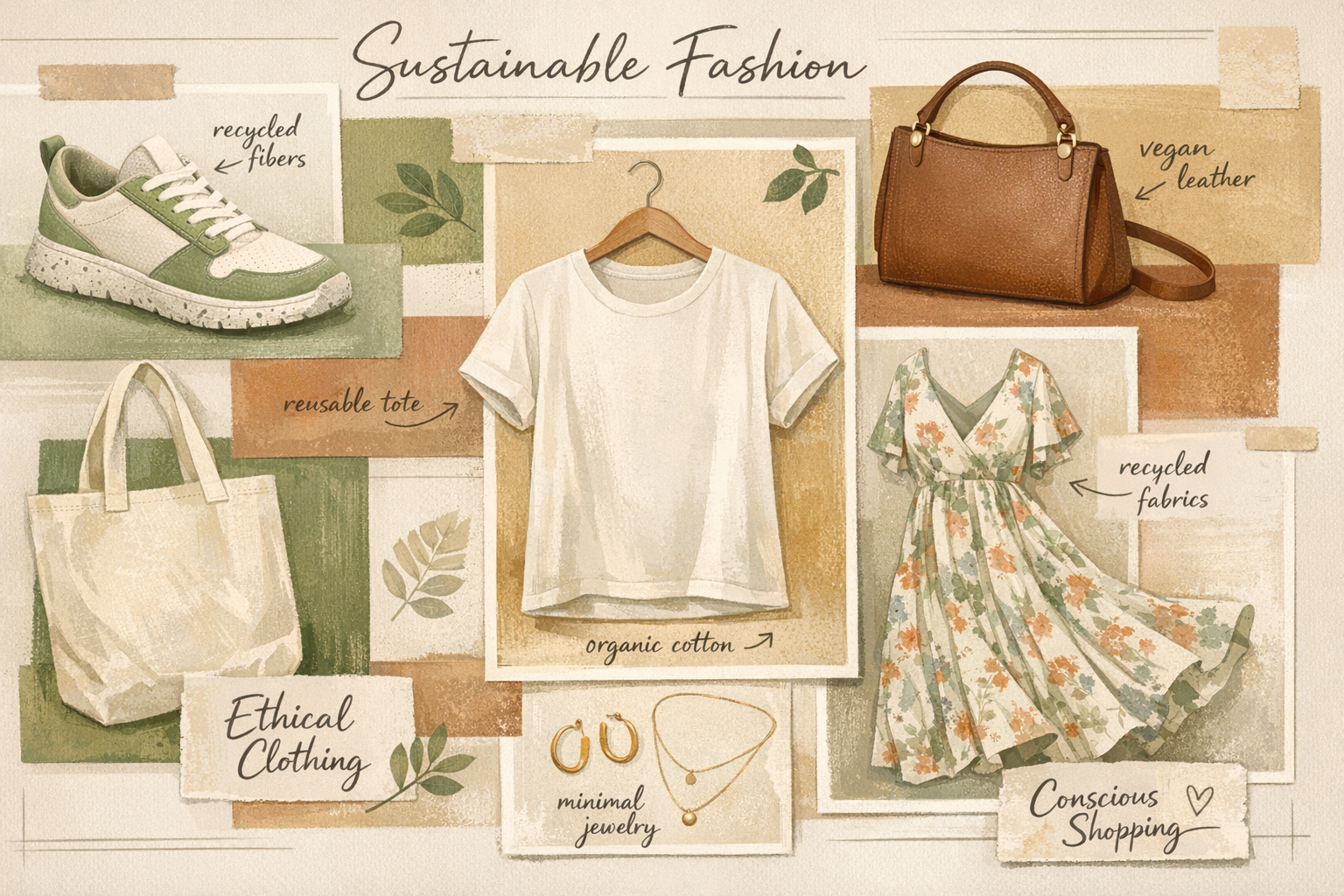
For Sofía, trends and sustainability are no longer in opposition. Limited-edition collections of recycled materials, collaborations with artisans, and fashion shows highlighting responsibly sourced textiles show how impact and style merge.
Modern consumers, like Sofía, now seek trends with purpose—styles that tell a story, support communities, and protect the planet. This cultural shift is redefining fashion consumption.

“Practical Steps for Conscious Shoppers”
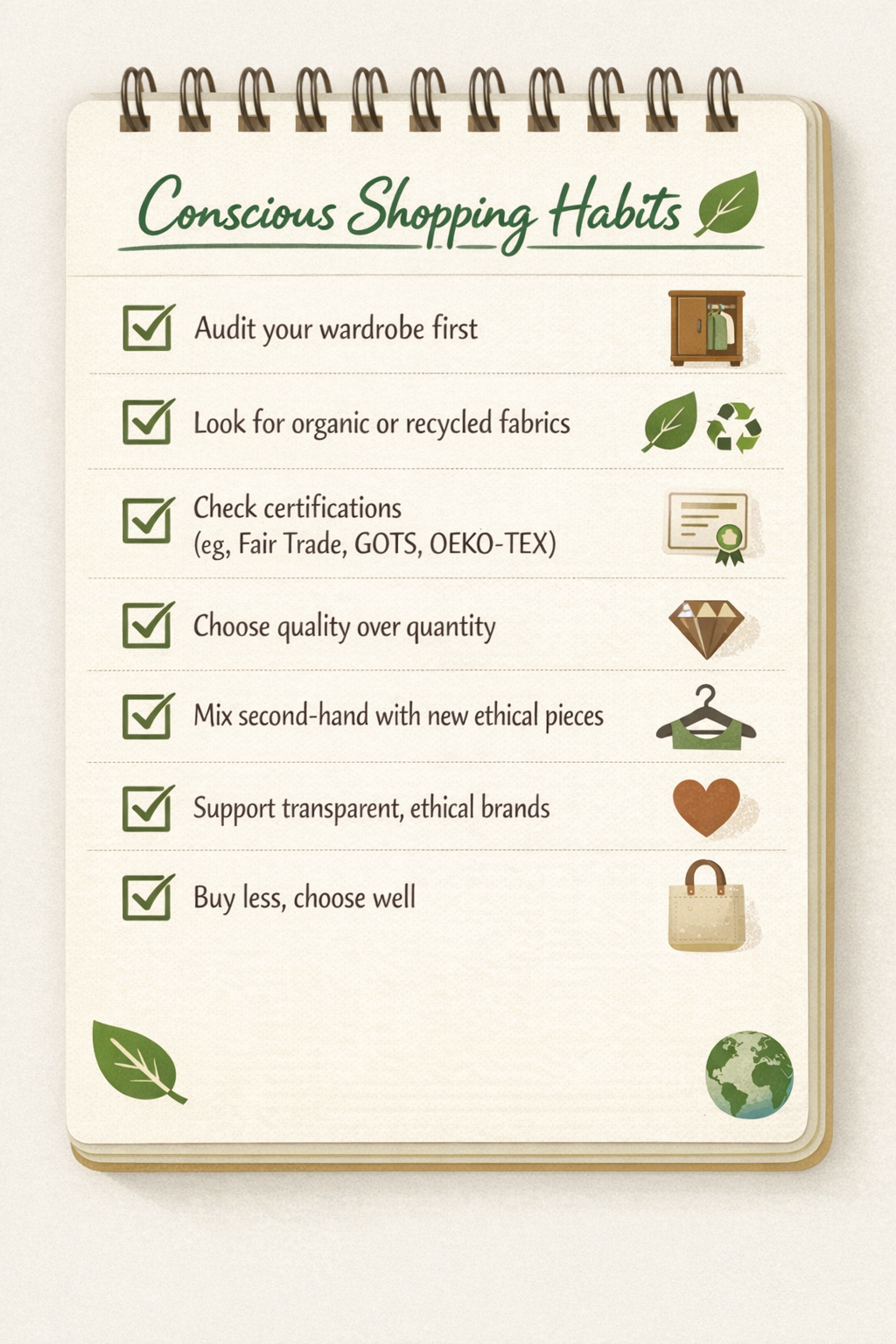
To integrate sustainable fashion into her life, Sofía follows these steps:
These steps help Sofía move from awareness to action, amplifying the impact of each conscious purchase.
“Conclusion: Fashion as a Force for Good”
For Sofía, when trends meet impact, fashion becomes far more than a way to look stylish—it transforms into a powerful tool for change. Every ethical clothing choice she makes reflects her values and sends a message to the industry: that consumers care about people, communities, and the planet.
Sofía’s journey shows that sustainable fashion is not an abstract ideal; it is a practical, achievable lifestyle. She carefully evaluates materials, considers the origins of her garments, and chooses brands that align with her principles. These choices ripple outwards: supporting fair labor practices, encouraging innovation in sustainable production, and helping reduce environmental footprints. Through her actions, Sofía participates in a cultural shift where fashion and responsibility coexist.
Moreover, her decisions inspire those around her. Friends, family, and colleagues notice the care she takes in selecting clothing and are prompted to reflect on their own habits. By embracing sustainable fashion, Sofía becomes both a consumer and an advocate, showing that style can be aligned with ethics without sacrificing creativity, trends, or personal expression.
Fashion, in this sense, becomes a language of values. Every shirt, pair of shoes, or accessory is a statement: it communicates concern for the environment, respect for workers, and awareness of the global impact of consumption. For Sofía, each garment is a story—one that honors craftsmanship, sustainability, and conscious decision-making.
Ultimately, the example set by Sofía illustrates a new era in fashion: one where consumers hold the power to drive meaningful change. Sustainable fashion is not just a trend; it is a movement toward a more equitable and environmentally responsible industry. It shows that trends do not have to be fleeting—they can be meaningful, impactful, and enduring.
“The future of fashion isn’t fast—it’s thoughtful, intentional, and conscious. It’s about creating a world where style doesn’t compromise ethics, and every choice matters.”
By following the path that Sofía exemplifies, other consumers can see how small, intentional decisions accumulate into large-scale change, proving that style and sustainability are not only compatible—they are inseparable in the fashion of the future.