



Buyer Persona: Alex Smith (Buyer Persona 2)
Stage in the Buyer’s Journey: Awareness
Keywords: Healthy College Meals, Cheap Healthy Meals for Students
Why Healthy Eating Matters When You’re in College
If you are a college student trying to balance classes, a part-time job, social life, and the gym, it is understandable that cooking your own meals can feel overwhelming. You might find yourself thinking, “I want to start eating healthier, but I don’t know how to cook,” or opening a recipe online and closing it again because it looks too complicated. At the same time, you know that late-night fast food is not helping your energy, focus, or fitness goals. This blog post is designed to help you understand why healthy eating matters for students like you—and to show you that learning the basics of cooking does not have to be confusing, expensive, or time-consuming.
Eating healthier is not about becoming a professional chef overnight. It is about making small, practical changes that fit your lifestyle, your budget, and your current skills in the kitchen. When you focus on simple, balanced meals, you can support your workouts, improve your concentration in class, and still enjoy food that tastes good. In the awareness stage, the main goal is to understand the problem clearly: fast food and random snacks are not giving you what your body and brain need, and basic home-cooked meals can.

The Problem: Fast Food Is Easy, but It Holds You Back
Most university students rely heavily on fast food, takeout, or frozen meals. These options feel convenient, especially after a long day of lectures and assignments. However, many of these foods are high in salt, sugar, and unhealthy fats, and low in the nutrients that support your health and performance. Over time, this can leave you feeling tired, unfocused, and less motivated—even if you are going to the gym regularly.
When you are trying to improve your lifestyle and fitness, nutrition becomes just as important as your workout plan. Your muscles need protein to repair, your brain needs healthy fats to function, and your body needs vitamins and minerals from fruits and vegetables to keep your immune system strong. Relying mainly on fast food means you are not giving your body the building blocks it needs to perform well.
Another challenge is cost. Fast food may seem cheap in the moment, but frequent orders can add up quickly on a student budget. A few meals out each week can easily cost more than basic groceries, which could make several home-cooked meals. Once you understand this, it becomes clear that learning a few basic cooking skills is not just about health—it is also about saving money and gaining more control over your lifestyle.
The Benefits of Simple, Home-Cooked Meals for Students
You do not need to prepare complicated recipes to feel a difference. Even very basic meals can improve your energy, support muscle growth, and help you stay full longer between classes. A simple combination such as grilled chicken, rice, and vegetables may sound boring at first, but it provides protein, complex carbohydrates, and important vitamins and minerals. With a few seasonings and sauces, it can also taste great.
When you start to build a habit of cooking a few meals each week, you will likely notice:
-
More stable energy throughout the day, instead of sudden crashes
-
Better focus during lectures and study sessions
-
Feeling more satisfied after meals, which reduces random snacking
-
Gradual improvements in your fitness progress at the gym
 You will also gain confidence. At first, chopping an onion or cooking rice might feel confusing. After a few tries, these actions become familiar, and the kitchen feels less intimidating. This confidence is important because it turns healthy eating from something that feels out of reach into something you can realistically manage, even with a busy schedule.
Overcoming the Biggest Obstacle: “I Don’t Know What to Buy”
One of the most common obstacles for beginner cooks is simply not knowing what ingredients to buy. Walking into a grocery store without a plan can be overwhelming, especially when you are trying to avoid wasting money. A simple approach is to focus on a few basic categories:
-
Protein: chicken breast, eggs, canned tuna, tofu, Greek yogurt
-
Carbohydrates: rice, pasta, oats, whole wheat bread, tortillas
-
Vegetables and Fruits: frozen mixed vegetables, spinach, carrots, apples, bananas
-
Healthy Fats: olive oil, peanut butter, nuts, seeds
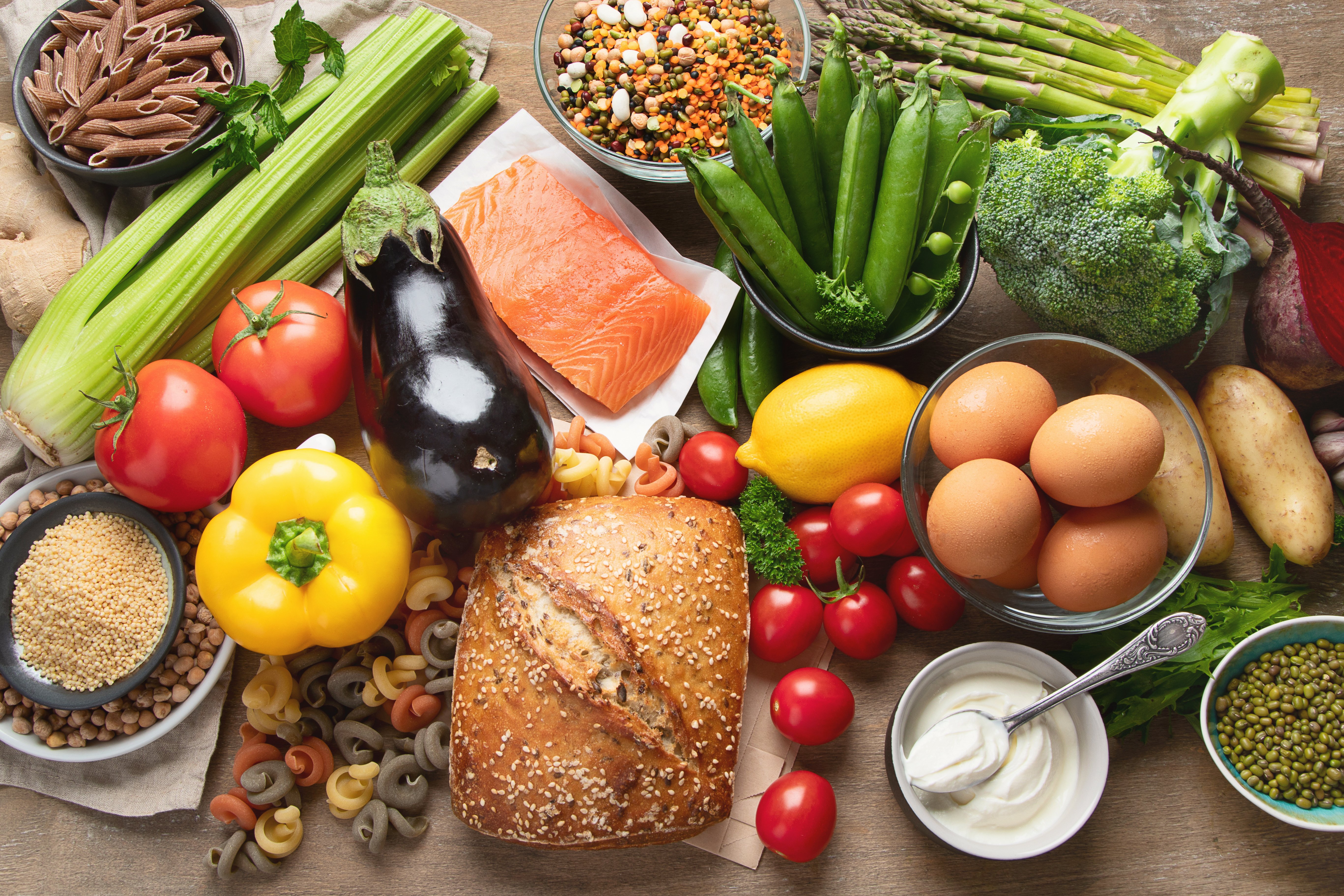 With just a few items from each category, you can create multiple different meals. For example, rice, chicken, and frozen vegetables can turn into a simple rice bowl. Whole wheat bread, eggs, and spinach can become an easy breakfast sandwich. Oats, yogurt, and a banana can be a quick breakfast or post-workout snack. You do not need to buy everything at once; start with a small list and gradually add more ingredients as you get comfortable.
A practical strategy is to write down three simple meals you want to try for the week and list the ingredients. This prevents you from buying random items that do not fit together and helps you stay within your budget. Over time, you will start to recognize which ingredients you use the most and which ones are worth buying regularly.
Keeping It Simple: How to Read and Use Beginner-Friendly Recipes
Many online recipes can be confusing for someone who is just starting to cook. They may use terms you do not recognize, require special equipment, or involve many steps. When you are in the awareness stage, the goal is not to follow advanced recipes—it is to learn how to understand the structure of a basic one.
Look for recipes that:
-
Use fewer than 10 ingredients
-
Can be made in one pan or one pot
-
Include clear times for prep and cooking
-
Explain each step in simple language
A beginner-friendly recipe might say: “Heat a pan on medium heat. Add one tablespoon of oil. Add chopped onions and cook for 3–4 minutes until soft.” Instructions like this guide you step by step, so you do not have to guess. If you come across unfamiliar words like “sauté” or “simmer,” a quick search will help—and after a few times, these terms will make sense.
To build confidence, you might choose just one or two simple recipes and repeat them several times. For example, a basic stir-fry with chicken and vegetables, or a pasta dish with tomato sauce and vegetables. Repeating recipes helps you remember the steps and reduces the stress of trying something new every time you cook.
Time-Saving Strategies for Busy Students
A common belief is that cooking takes too long, especially when you are studying, working, and going to the gym. The truth is that, with a small amount of planning, cooking can save you time. Instead of waiting for delivery or walking to a fast-food place, you can have meals ready in your fridge that only need a quick reheat.
Here are practical ways to make cooking fit your schedule:
-
Cook once, eat twice (or more): Make a larger portion of a simple meal, such as rice, chicken, and vegetables, and store extra servings in containers for later.
-
Use the freezer: Freeze extra portions so you always have a backup meal when you are too tired to cook.
-
Choose quick-cooking foods: Eggs, canned beans, frozen vegetables, and thin-cut chicken cook faster than many other options.
-
Prepare ingredients in advance: Wash and cut vegetables or cook a batch of rice on the weekend so that weekday meals come together faster.
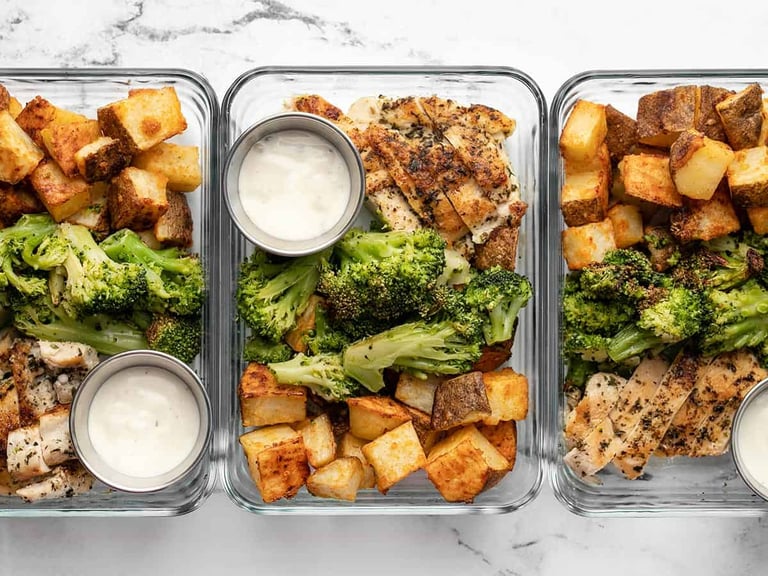 These strategies allow you to keep your routine flexible. You do not need to cook every day. Instead, you can cook a few times a week and still avoid relying on fast food.
Answering Common Concerns: Cost, Difficulty, and Equipment
It is normal to have questions and doubts before you start cooking regularly. You might wonder whether healthy eating is really affordable on a student budget, or whether you need a lot of tools and gadgets.
Here are clear, straightforward answers to the most common concerns:
-
“Is it affordable for students?”
Yes. Basic ingredients like rice, oats, eggs, pasta, frozen vegetables, and canned beans are usually much cheaper per meal than fast food. When you cook at home, you are paying for several meals at once rather than a single serving.
-
“Will the recipes be easy enough for beginners?”
They can be. If you focus on step-by-step recipes with clear instructions and few ingredients, you will quickly notice that most meals follow the same basic patterns: heat a pan, cook a protein, add vegetables, season, and serve with a carbohydrate like rice or pasta.
-
“Do I need a lot of cooking equipment?”
No. For many student-friendly recipes, a small set of tools is enough:
-
-
One medium-sized pot
-
One pan
-
A cutting board
-
A sharp knife
-
A spatula and a spoon
-
A measuring cup or mug
-
With just these basics, you can prepare a wide variety of meals. Over time, you might choose to add more tools, but they are not required to get started.
Small First Steps You Can Take This Week
If you are currently relying on fast food because it feels easier, your first goal is not to change everything overnight. Instead, aim for one or two realistic changes that make healthy eating feel possible. For example, you might decide that this week you will cook one simple dinner at home and prepare one easy breakfast instead of buying it.
You could start with:
-
 Making scrambled eggs with toast and a piece of fruit for breakfast
 -
Cooking a basic rice bowl with chicken and frozen vegetables for dinner
-
Preparing overnight oats with yogurt and a banana for a quick snack or breakfast
These small actions show you that you are capable of cooking for yourself. Each successful meal builds your confidence and brings you one step closer to the lifestyle and fitness goals you have set for yourself.
Moving Forward: From “I Don’t Know How to Cook” to “I Can Handle This”
Choosing to improve your lifestyle and fitness is an important decision, and nutrition is a central part of that journey. As a university student with a busy schedule, a limited budget, and little cooking experience, you are not alone in feeling unsure about where to start. However, you now understand why fast food is holding you back and how simple, home-cooked meals can support your health, energy, and performance.
By focusing on basic ingredients, beginner-friendly recipes, and practical time-saving strategies, you can gradually shift from “I don’t know how to cook” to “I can handle this.” You do not need perfection—just consistent, small steps toward healthier choices. As you continue learning, you will find that cooking becomes less of a barrier and more of a valuable skill that supports your goals in the gym, in class, and in your everyday life as a student.
*This content is part of a student project at UCLA Extension. Any logos used might be slightly changed to indicate that this document is NOT a communication from the company represented by the changed logo. Any statements made in this content are the statements of the UCLA student and not of any company. This statement is made so that any reader will understand this document is part of a UCLA student project and NOT a communication from any existing company.
