


When Story Becomes Atmosphere
Eleanor doesn’t usually search for thrillers.
She searches for feeling.
As a 22-year-old literature student living in Brooklyn, she is drawn to stories that linger — the kind that sit quietly in the back of her mind long after the final page or closing credits. She spends afternoons in independent bookstores, evenings watching character-driven dramas, and weekends crocheting while period films play softly in the background. She loves atmosphere. She loves intention. She loves stories that feel crafted.
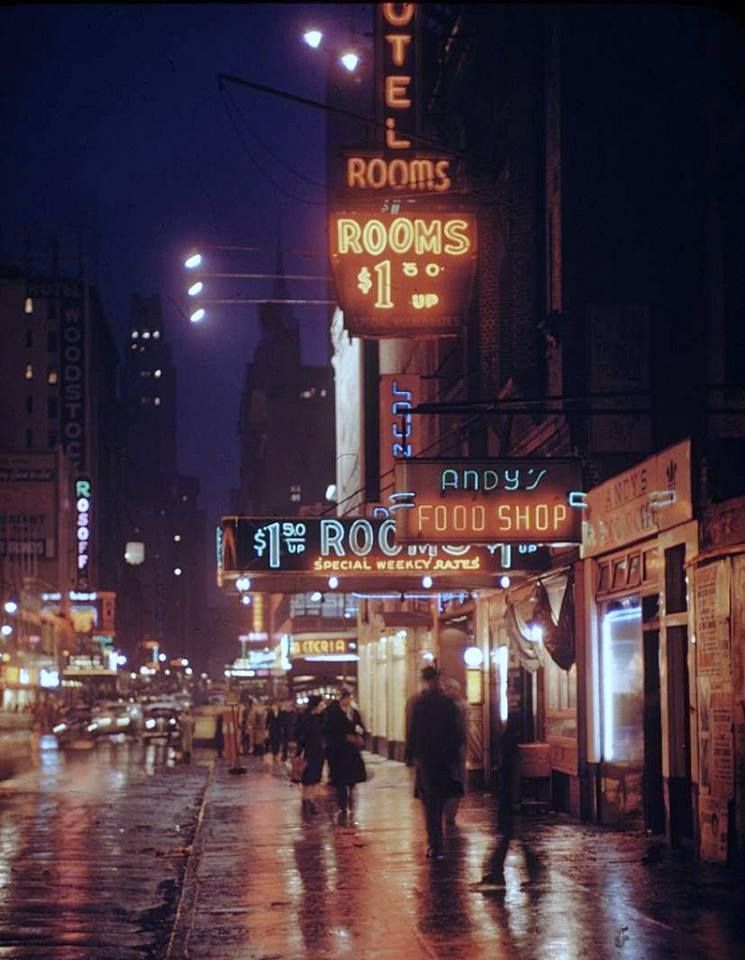
When Eleanor first encounters The Moore Case, it isn’t through a loud trailer or a dramatic plot reveal. It’s through an image.
A woman in a tailored coat standing beneath a streetlamp in 1950s New York. A skyline glowing at dusk. A hint of tension in the air. A sense that something is wrong — but beautifully so.
That is where our brand story begins.
The Moore Case was created for audiences like Eleanor — people who may not identify as “mystery fans,” but who are deeply moved by aesthetic storytelling, emotional depth, and strong female perspectives. From the start, the film wasn’t designed to rely on shock value or spectacle. It was designed to build a world. A mood. A quiet intensity.
For Eleanor, that matters.
She doesn’t want noise. She wants nuance.
A Female Lead Who Feels Real
Eleanor is drawn to female characters who are layered — not perfect, not symbolic, not reduced to tropes. She wants to see women who are strategic, conflicted, intelligent, and emotionally complex.
At the heart of The Moore Case is a female protagonist navigating a disappearance that threatens not only a city’s political stability, but her own understanding of loyalty and truth. Set in 1950s New York, a time defined by rigid social expectations, the story places her at the center of a world that was not built for her power.
That tension is intentional.
The brand was created with the belief that female-led mystery should not feel like an exception — it should feel inevitable. Our protagonist is not a passive witness to chaos. She is shaping the investigation. She is observing, calculating, questioning. She exists within glamour and pressure simultaneously.
For Eleanor, this feels refreshing.
She doesn’t want a female character inserted into a traditional structure. She wants a story built around her perspective. She wants motivations that make sense. She wants contradictions that feel human.
That’s why The Moore Case centers female complexity as a core value — not a marketing angle.
- Female characters are written with nuance and agency
- Emotional depth is prioritized alongside suspense
- Power is explored subtly, not performatively
- Identity shapes the mystery rather than decorating it
Eleanor recognizes when a story respects its characters. And when she feels that respect, she leans in.
Aesthetic as Emotional Language
For Eleanor, aesthetic is not superficial. It is storytelling.
The 1950s New York setting of The Moore Case is more than a backdrop — it is the emotional architecture of the brand. Polished interiors, silk gloves, handwritten notes, smoky jazz clubs, rain-slicked streets — every detail is chosen deliberately.
Eleanor is someone who notices texture. She pays attention to costume design. She studies framing. She appreciates the quiet power of lighting and composition. When a film’s aesthetic feels cohesive, she trusts the storytelling more.
That trust is something we take seriously.
In today’s fast-scrolling digital culture, visual coherence signals intention. When Eleanor sees consistent typography, cinematic color grading, and carefully curated character portraits across social media, she understands that the world of the film is fully imagined.
And that immersion matters to her.
Even if mystery isn’t her primary genre, mood can pull her in. The atmosphere feels closer to a dramatic period piece than a conventional thriller. It feels thoughtful rather than chaotic. Elegant rather than loud.
This is by design.
The brand identity of The Moore Case rests on the idea that style and substance are inseparable. The glamour heightens the danger. The beauty sharpens the betrayal. The elegance makes every secret feel heavier.
For Eleanor, the aesthetic becomes the doorway.
The mystery keeps her there.

Respecting the Audience’s Intelligence
One of Eleanor’s biggest frustrations with thrillers is predictability. She dislikes twists that feel manufactured or characters that behave irrationally simply to move the plot forward.
She values structure.
She appreciates when a story “plays fair” — when clues are present, when motives make sense, when revelations feel earned rather than imposed.
The Moore Case was written with that philosophy at its core.
Mystery, to us, is a contract. The audience agrees to pay attention; we agree to reward that attention. Every suspect has a believable motive. Every red herring has purpose. Every twist can be traced back to something planted earlier.
For Eleanor, this creates emotional safety. She knows she won’t be manipulated for shock value. She knows the reveal will feel logical, even if it surprises her.
That intellectual respect builds connection.
And connection builds loyalty.
Becoming Part of the Investigation
Eleanor doesn’t just want to watch a story — she wants to sit with it. To discuss it with friends. To share stills and quotes. To form interpretations.
That is why the brand strategy behind The Moore Case treats audiences as participants rather than spectators.
Before the film even exists in its final form, the campaign invites viewers into the world. Character spotlights hint at hidden tensions. Subtle clue drops appear in captions. Visual reels evoke atmosphere without revealing answers.
For someone like Eleanor, this approach feels intimate rather than promotional.
She doesn’t feel marketed to.
She feels invited.
- Early access to character dossiers
- Aesthetic mood reels that emphasize tone over plot
- Interactive polls encouraging suspicion and theory
- Behind-the-scenes insights into costume and period research
This strategy mirrors the film’s structure. Just as the narrative unfolds gradually, so does the brand presence. Eleanor experiences the mystery in layers. She builds curiosity slowly. She feels emotionally invested before she even presses play.
By the time she commits to watching The Moore Case, she isn’t just curious.
She is involved.
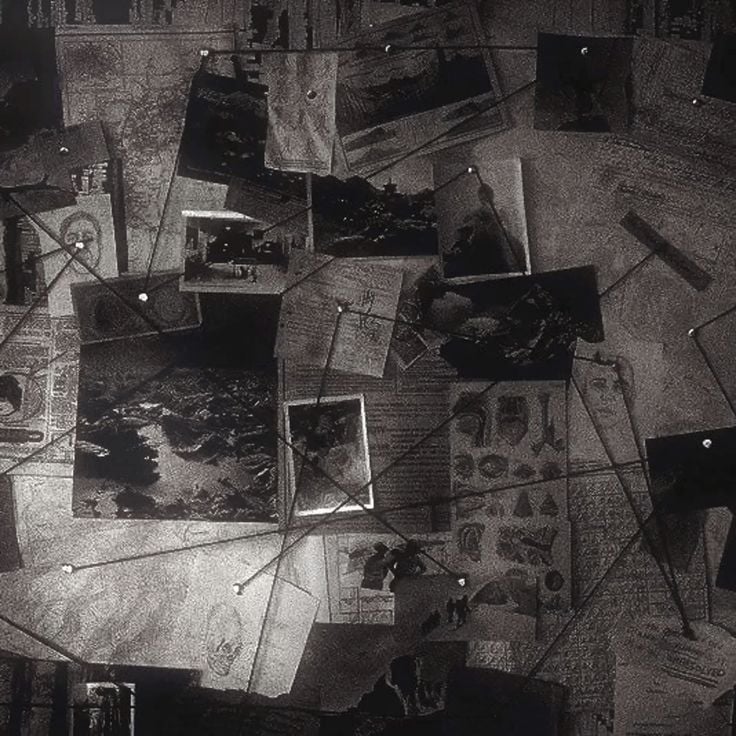
Why The Moore Case Feels Personal
At its heart, The Moore Case is about truth — and the cost of uncovering it.
That theme resonates with Eleanor on a deeper level. As someone who studies literature, she understands that stories often explore larger ideas beneath their surface narratives. Justice. Loyalty. Power. Identity.
This film engages with those themes quietly but intentionally. It doesn’t shout its commentary. It weaves it into character choices and social dynamics. The 1950s setting becomes a lens to examine class, expectation, and reputation.
Eleanor appreciates subtlety.
She enjoys when meaning is layered rather than explicit. When symbolism is present but not overwhelming. When emotional stakes coexist with intellectual intrigue.
That balance defines the brand personality of The Moore Case.
Elegant but sharp.
Immersive but restrained.
Suspenseful but thoughtful.
For Eleanor, the film feels less like a conventional thriller and more like a dramatic experience wrapped in mystery. The investigation becomes a vehicle for character exploration. The disappearance becomes a catalyst for examining relationships and hidden truths.
And that emotional dimension is what makes the brand connection real.
A Story She Wants to Share
When Eleanor finishes a film she loves, she doesn’t just move on. She texts her friends. She posts stills. She writes captions about mood and character arcs. She revisits scenes in her mind.
The Moore Case is designed to inspire that kind of lingering.
It respects her intelligence. It rewards her aesthetic sensibility. It centers female complexity. It offers suspense without sacrificing substance.
Most importantly, it trusts her.
And when a story trusts its audience, the audience returns that trust.
That is the brand story of The Moore Case. Not just a 1950s mystery. Not just a female-led narrative. But a carefully constructed world created for those who value atmosphere, depth, and the quiet thrill of uncovering truth.
For Eleanor, it begins with a mood.
It deepens with character.
It lingers with meaning.
And long after the final reveal, she is still thinking about it — tracing motives, replaying conversations, questioning what she missed.
Because the best mysteries don’t end when the credits roll.
They stay with you.
And that is exactly where The Moore Case lives.